Judaica Collection of the National Library of Lithuania
The Judaica collection of the Martynas Mažvydas National Library of Lithuania comprises a massive, but at the same time extremely fragmented corpus of Jewish printed (books, periodicals and ephemera from 15-20 c.) and manuscript (18-20 c.) materials, that survived in Lithuania, predominantly in Vilnius, in spite of systematic plundering and destroying of the Jewish documentary heritage during the time of Nazi occupation. The collection contains about 70.000 books, over 1.000 titles of periodicals and 10.000 pages of printed ephemera in Hebrew and Yiddish, as well as in European languages, but of Jewish provenance. The manuscript part comprises approximately 250.000 pages.
These are fragments of archives and collections of various Jewish religious, educational, social, political and cultural organizations of interwar Lithuania. The biggest surviving parts are of the Vilnius Jewish community and its institutions, the Board of Lithuanian Yeshivas, S. An-ski’s Jewish Historical-Ethnographic society, the Jewish Scientific Institute YIVO, many fold educational networks, libraries, publishing houses etc. Not less important are remnants of ego-documents and private collections, for instance, one of the scholar, bibliophile and philanthropist Mattityahu Strashun whose personal library became a foundation for the first Jewish public library in Vilnius.
Such was the diversity and richness of organic life of the pre-WWII Jewish community that even after the almost total annihilation of its members by Nazis and the looting of many thousands of its precious artefacts and documents, the remains are of significant quantity and of extreme historical and cultural value.
Saved by the Paper Brigade
A very important reason of the survival of at least some of them is that they were hidden in the Vilna Ghetto and other places by poets Abraham Sutzkever, Shmerke Kaczerginski and other members of so-called “Paper Brigade” . On the eve of the liquidation of the ghetto, in 1943, they left for the partisans, and in 1944 participated in the liberation of Vilnius from the Nazis.
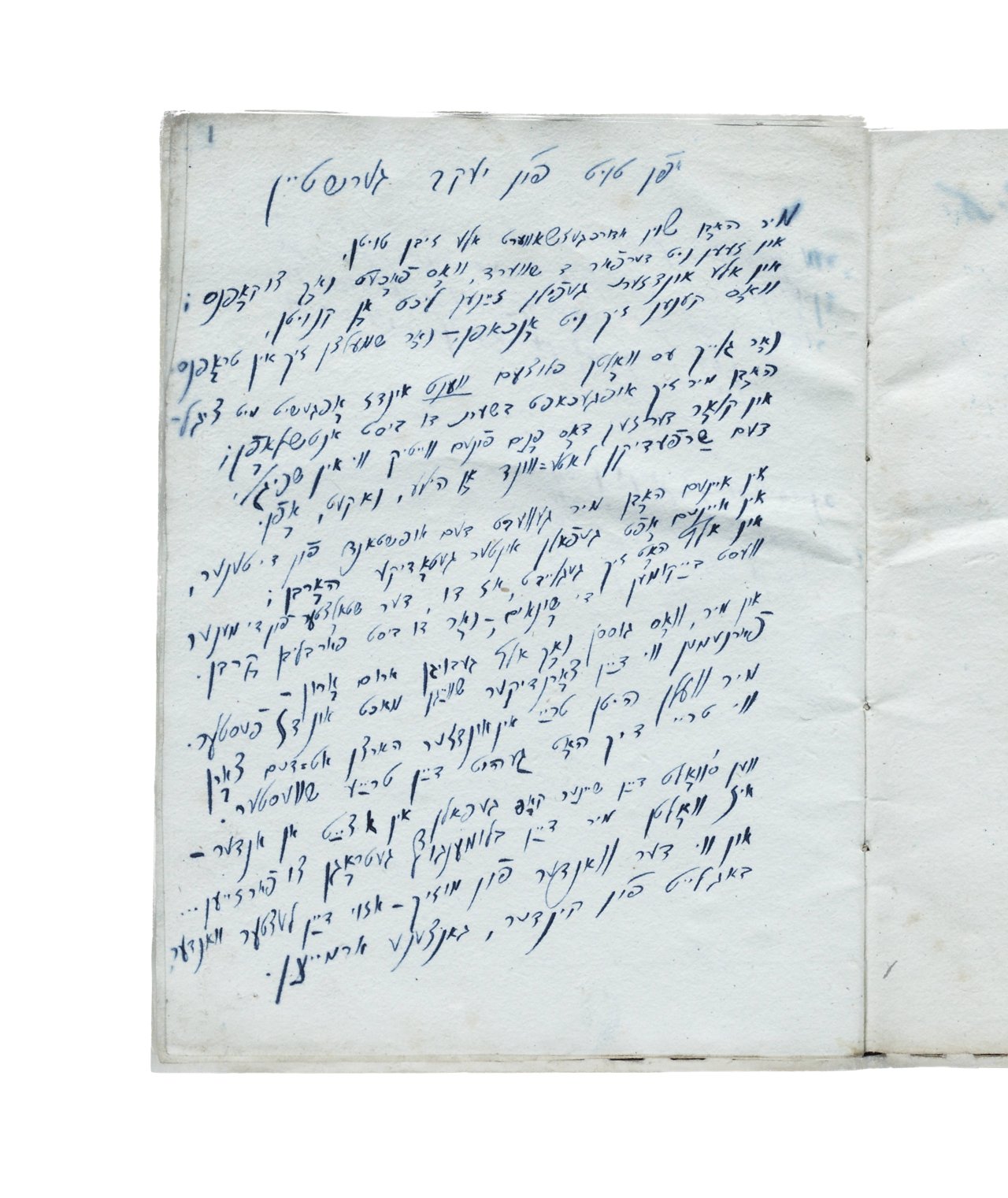
Page from Avrom Sutzkever's manuscript book Ten Poems. Vilna ghetto, 1943
Immediately upon returning to the city, they established the Jewish Museum where they gathered all they could find in their secreted places, as well as materials just scattered throughout the city.
However, as early as 1948-1949 the Soviet authorities, acting in a climate of growing governmental antisemitism, closed those few Jewish institutions that were operating in Lithuania by efforts of innumerous survivors; the Jewish Museum was closed as well. At this stage, the then-director of “The Book Chamber” (national press archive), a Lithuanian, Antanas Ulpis, took over the printed and manuscript museum holdings that otherwise would be most probably ordered to be destroyed.
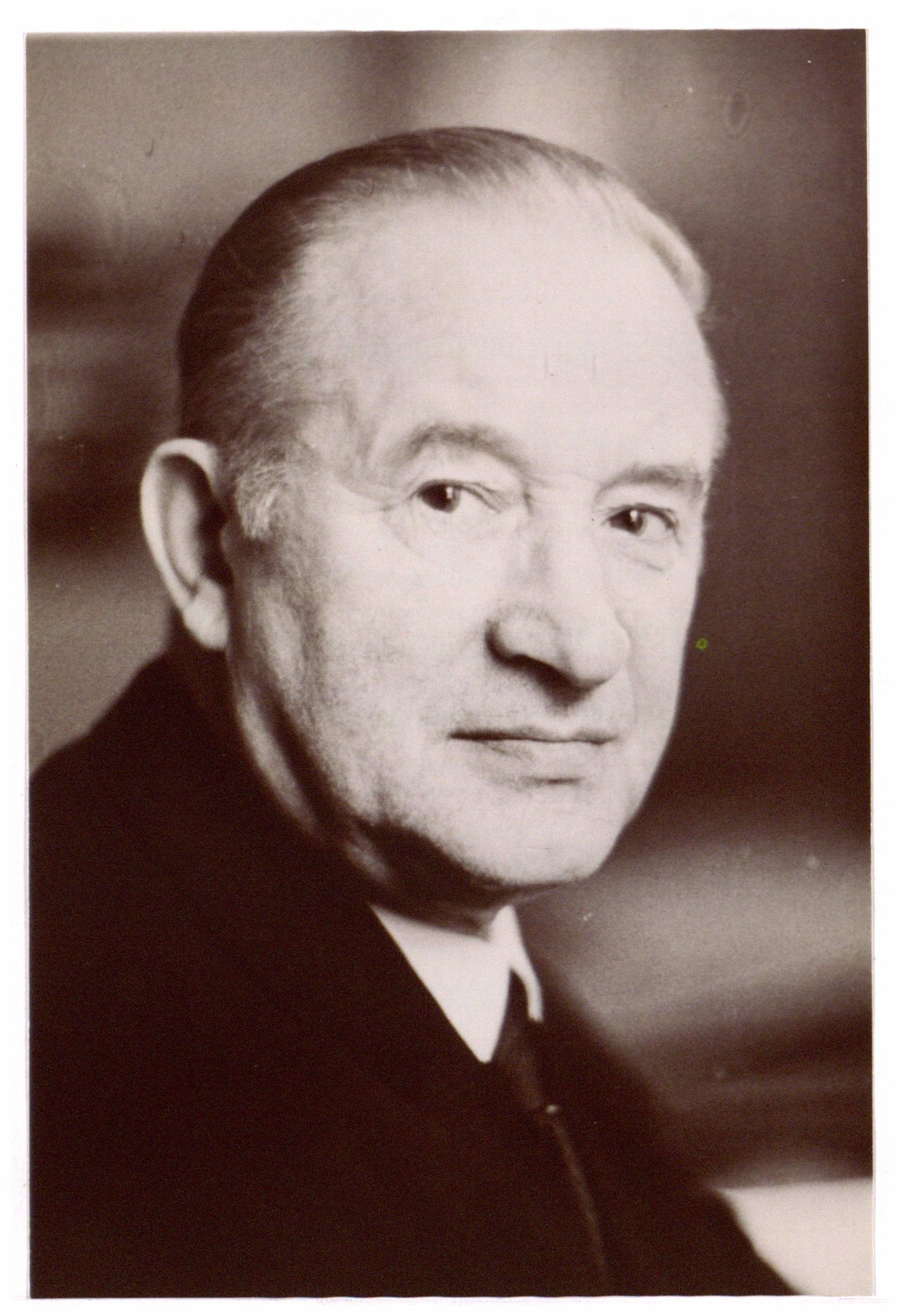
Atanas Ulpis
Hidden in the Monastery
In the following years, Ulpis organized expeditions to other places in Lithuania that resulted in gathering still more ownerless Jewish materials. To secure their preservation, Ulpis secluded them in the farthest corner of the former monastery repurposed by the Soviets as the Book Chamber, and he also transferred a significant number of manuscripts and other documents to the National Library (then a separate institution) for safekeeping.
On unofficial instructions from Ulpis, Jewish members of the Book Chamber staff tried to sort and record the books and documents that came from the Jewish Museum, but after they left for Israel and USA, and due to other circumstances, the work ceased to continue.
A new Beginning with Lithuania's Independence
In 1992, the Book Chamber was integrated into the National Library. Since 1990, when Lithuania regained its independence, the tabu on working with Jewish materials was lifted, and a group of Jewish bibliographers was gathered for processing Hebrew and Yiddish books. This work got more momentum with time. The author of this text joined the National Library as a bibliographer for Jewish books and periodicals in 1995. However, almost no processing of Jewish documents was done at the National Library from the moment they were received from Ulpis, and they were virtually forgotten for decades at the vast stalks of the manuscript department.
They were rediscovered only in 2016 by the staff of the newly established Judaica Research Center (JRC) with the help of the colleagues at the manuscript department who, upon being enquired, recalled and disclosed the documents that were kept there all those years. Finally, books, periodicals and manuscripts were reunited into the Judaica Collection and are now under the auspices of the JRC that identifies, sorts, researches and catalogues them, as well as cares for their conservation and restoration. Another goal of the JRC is to publicize the collection that was unknown to the world for decades, by creating exhibitions, lecturing, making presentations at conferences, organizing educational workshops, and publishing selected documents.
In 2022, an additional cache of documents, mostly books and periodicals, but also some documents, was found in an axillary repository of the Library. The works there are still in progress, so it is impossible at that stage to estimate the amount.
Two segments of the Judaica Collection, the personal library of Mattityahu Strashun and works by the Vilna Gaon Eliyahu ben Shlomo Zalman, are included in the UNESCO documentary heritage program “Memory of the World”.
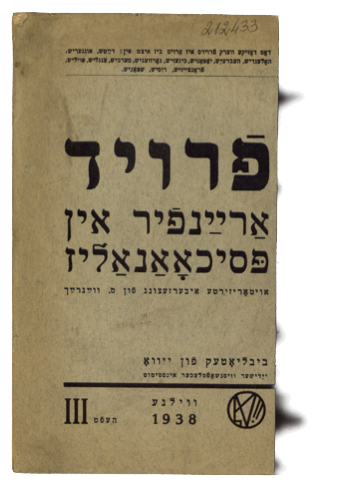
Siegmund Freuds Introduction to Psychoanalysis in Yiddish Translation. Vilnius YIVO 1938
The JRC is a part of the Department for the Studies of Documentary Heritage. It partners and participates in joint projects with YIVO Institute for Jewish Research, the National Library of Israel, World ORT, the Fortunoff Video Archive of Holocaust Testimonies, ZIH – Jewish Historical Institute in Warsaw, several universities and other international centers of Jewish culture and documentation, as well as with major art and historical museums of Lithuania. The JRC is often being approached for loaning materials of the Judaica collections for exhibitions and various other projects in Lithuania and abroad.
The JRC also compiles a modern research library in Jewish studies, and maintains a reading room. International students, scholars and educators actively use both the historical materials and the modern library.
Dr. Lara Lempert (Lempertienė), is the head of the Judaica Research Center at the Documentary Heritage Department in the National Library of Lithuania and the curator of its Judaica collection.
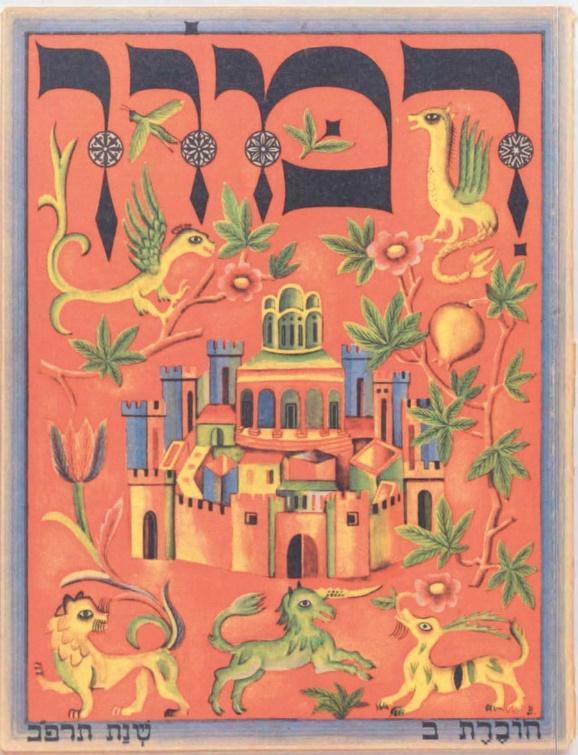
Title image: Art magazin Pomegranate